



Music has always played a central role in storytelling, entertainment, and emotional expression. Whether it’s the background score to a video, a theme track for a podcast, or a full song for an album, sound shapes how audiences engage with content. Yet composing music traditionally requires technical training, instruments, and time – resources that many creators don’t have.
MusicGPT is an AI‑driven music creation platform that empowers anyone to produce original songs, instrumental tracks, and vocal pieces simply by describing what they want. From text prompts to complete audio compositions, the platform brings music production into a new era of accessibility, speed, and creative freedom.
This blog explores the rise of AI‑powered music creation, the tools and workflow MusicGPT provides, and the flexible access options that make it a practical choice for creators, producers, and hobbyists alike.
Why AI Music Creation Matters Today
Today’s content landscape moves fast. Creators often need music that matches their creative vision – from intros and storytelling themes to cinematic beats and podcast backgrounds. While licensed music libraries exist, they can be generic or costly, and custom composition typically requires musical expertise or professional services.
AI music generation transforms this reality by allowing users to generate original compositions without traditional skills. Instead of drawing notes on a staff or tweaking synthesizers for hours, creators can simply describe tempo, mood, genre, or even lyrics – and let the AI produce a full track in seconds. This democratizes music production, enabling anyone to express ideas through sound regardless of background.
MusicGPT sits at the center of this shift, offering an intuitive approach to generative music that blends advanced technology with creative agency.
Turning Words Into Songs
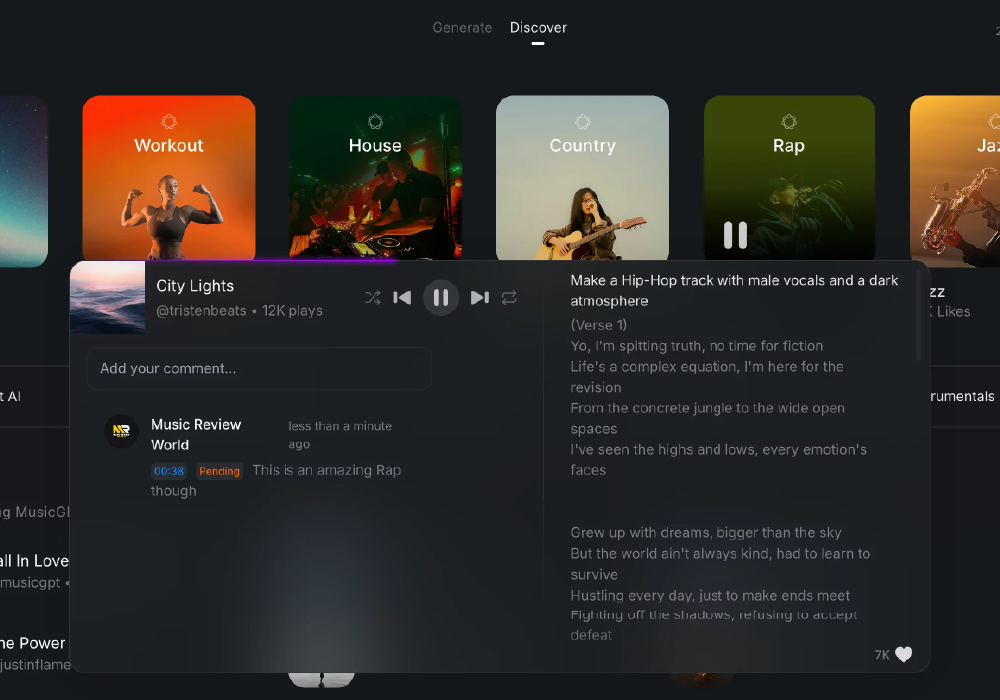
At its core, MusicGPT translates natural language prompts and simple descriptions into complete musical pieces. Users can specify details like genre, mood, instruments, tempo, and lyrics, and the AI interprets these inputs to generate original tracks that align with those creative goals. The result is immediate and often impressive – a finished composition that feels professionally produced even if it’s created entirely through AI.
This natural language approach removes most of the technical hurdles associated with music production, making it possible for creators to focus on what they want rather than how to achieve it.
Studio‑Quality Output for Diverse Projects
MusicGPT’s output isn’t limited to short sound bites. Creators can produce tracks up to several minutes in length that are suitable for various creative purposes. Whether it’s a cinematic score for a short film, background music for a YouTube video, or an original single with vocals, the AI is capable of crafting structured compositions with distinct sections, tonal variation, and emotional progression.
The ability to command AI with descriptive language also expands creative possibilities – from soft piano ballads to upbeat electronic arrangements, across genres and styles that match specific artistic intentions.
Integrated Tools for Lyrics and Vocals
Unlike simple instrumental generators, MusicGPT supports AI vocals and lyrics generation. Users can either provide lyrics or let the AI craft them based on the mood and genre specified. This integration of lyrical content with musical composition makes it possible to produce complete songs rather than just background music.
This feature opens up creative avenues for storytellers, social content creators, and independent artists who may want vocal tracks or narrative songwriting without needing vocalists or recording sessions.
Community Creativity and Shared Soundscapes
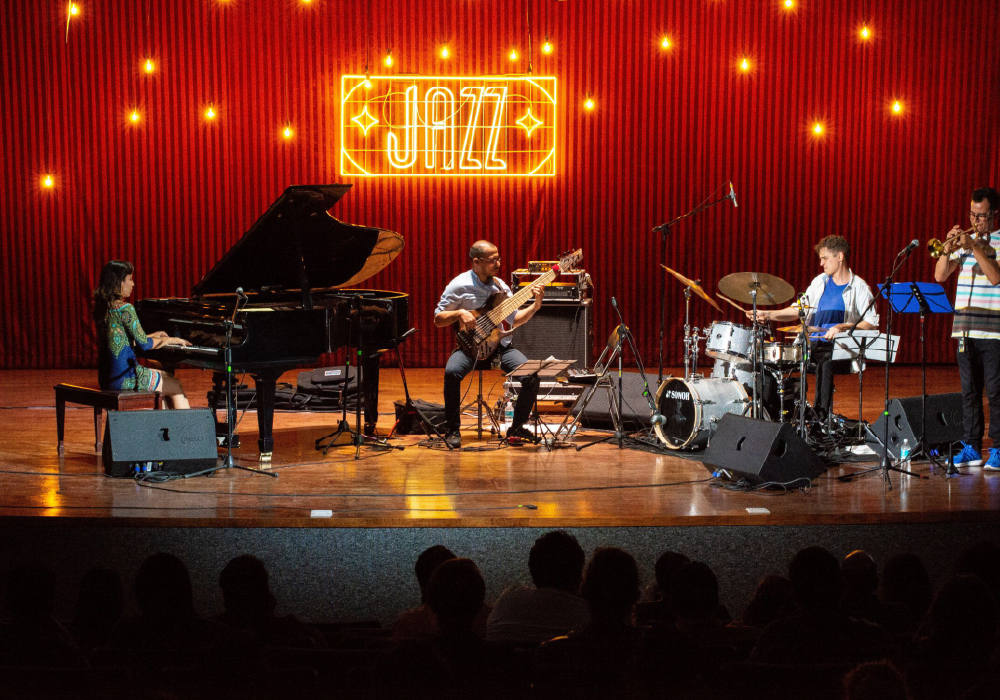
MusicGPT also functions as a creative hub where users share and explore generated tracks. This communal aspect encourages experimentation: users can discover how different prompts, genres, and stylistic choices manifest in audio output. For creators looking for inspiration or new ideas, this shared ecosystem can spark unexpected musical directions.
As AI composition tools evolve, community collaboration will likely play a larger role in defining trends and expanding creative workflows.
Flexible Plans Tailored to Creator Needs
MusicGPT uses a freemium and credit‑based access model designed for a broad spectrum of users:
- Free Access: Users can experiment with core music generation features, create a limited number of tracks, and test the platform’s creative capabilities before committing.
- Credit Bundles: Creators can purchase credits in bundles that don’t expire, allowing them to generate songs, vocals, sound effects, and remixes at their own pace.
- Paid Plans: Subscription tiers offer expanded generation limits, priority processing, extended usage rights (including commercial licenses), and deeper creative control for frequent or professional creators.
This structure makes MusicGPT suitable for casual experimentation, consistent creative production, or professional usage – all within a flexible pricing ecosystem.
How MusicGPT Helps Different Creators
MusicGPT supports a wide variety of creative workflows and objectives. For content creators and video producers, it provides original music that aligns with visual storytelling without copyright concerns. Podcasters and broadcasters can generate theme tracks or transitions that fit their show’s identity. Independent artists can prototype song ideas or produce complete tracks without physical instruments or studio time. And marketers can craft jingles, brand music, or audio assets tailored to campaign needs.
By lowering the barrier to music creation, MusicGPT helps creators of all levels integrate sound into their work more confidently and effectively.
Behind the AI: How the Magic Happens
MusicGPT uses advanced deep learning models trained on large datasets of music patterns, harmonies, rhythms, and vocals. When a prompt is submitted, the AI analyzes the input, interprets musical intent, and constructs a structured musical blueprint that guides composition. This generative process blends melodies, arrangements, and production techniques into cohesive tracks – often in under a minute.
The result is music that not only follows structural norms but also resonates emotionally, reflecting the nuances of style, tempo, and mood users describe.
Conclusion: Music Creation Without Limits
MusicGPT represents a significant shift in how music is produced in the digital age. By merging natural language understanding with generative audio creation, it makes original music accessible to creators of all kinds – from beginners with a fresh idea to seasoned professionals exploring new sonic territories.
Whether you’re scoring your first video, producing a full song, or simply experimenting with musical ideas, MusicGPT gives you the tools to create music that sounds real, expressive, and your own. In a world where sound defines experience, AI‑powered music tools like MusicGPT empower creators to turn imagination into original music – quickly, affordably, and with creative freedom.
Visit Site