



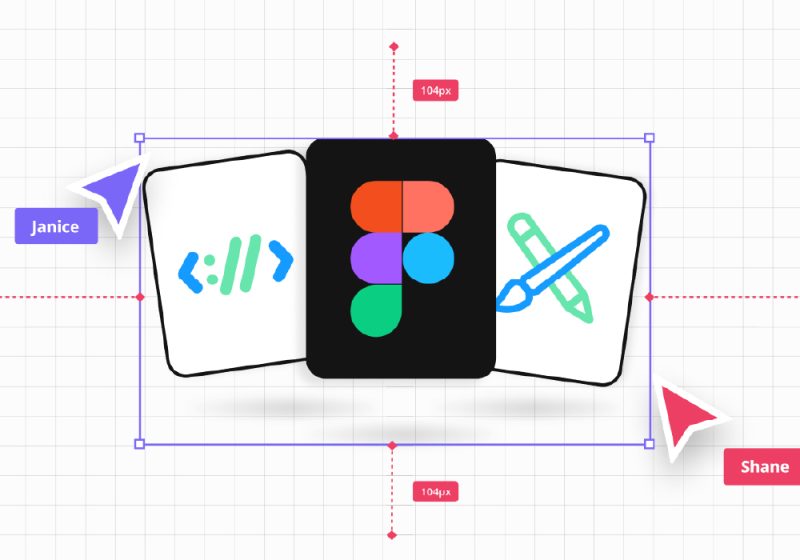
Design is not just about colors and shapes. It’s about communication. Figma is the space where ideas, thoughts, and functionality meet before they ever reach users. It turns rough concepts into living, clickable experiences-without slowing creativity down.
Built for modern teams and solo creators alike, Figma has changed how digital products are imagined, shaped, and shared.
More Than a Tool: What Figma Actually Is
Figma is a browser-based design platform that allows people to create user interfaces, layouts, and prototypes in one shared space. Unlike traditional design software, Figma lives online, which means your work is always accessible and always updated.
Designers no longer need to save files, send versions, or worry about compatibility. Everything happens in real time, creating a smoother and more connected design process.
This cloud-first approach makes Figma feel less like software and more like a creative workspace.
Why Modern Designers Are Letting Go of Old Tools
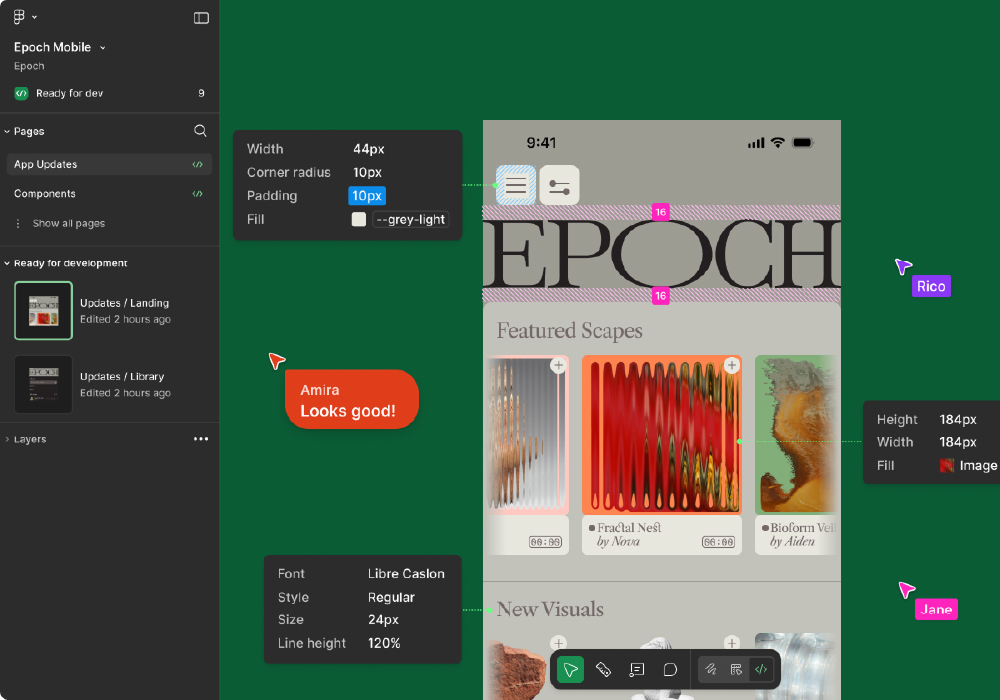
Figma feels natural in today’s fast-moving world. Teams can collaborate instantly without installing heavy programs or managing multiple file versions.
It also removes creative friction. Ideas can be sketched, tested, and refined quickly, allowing designers to focus more on thinking and less on technical steps. Because everyone sees the same design at the same time, feedback becomes clearer and faster.
This shift has made Figma especially popular among startups, remote teams, and product-driven companies.
The Building Blocks That Power Every Design
- Browser-Based Designing
Work from anywhere without downloads or updates. - Live Collaboration
Multiple people can design together in real time. - Interactive Prototypes
Designs can be turned into clickable flows that feel real. - Reusable Components
Save elements once and reuse them across projects. - Automatic Version History
Revisit or restore earlier design stages anytime.
How an Idea Becomes a Working Screen
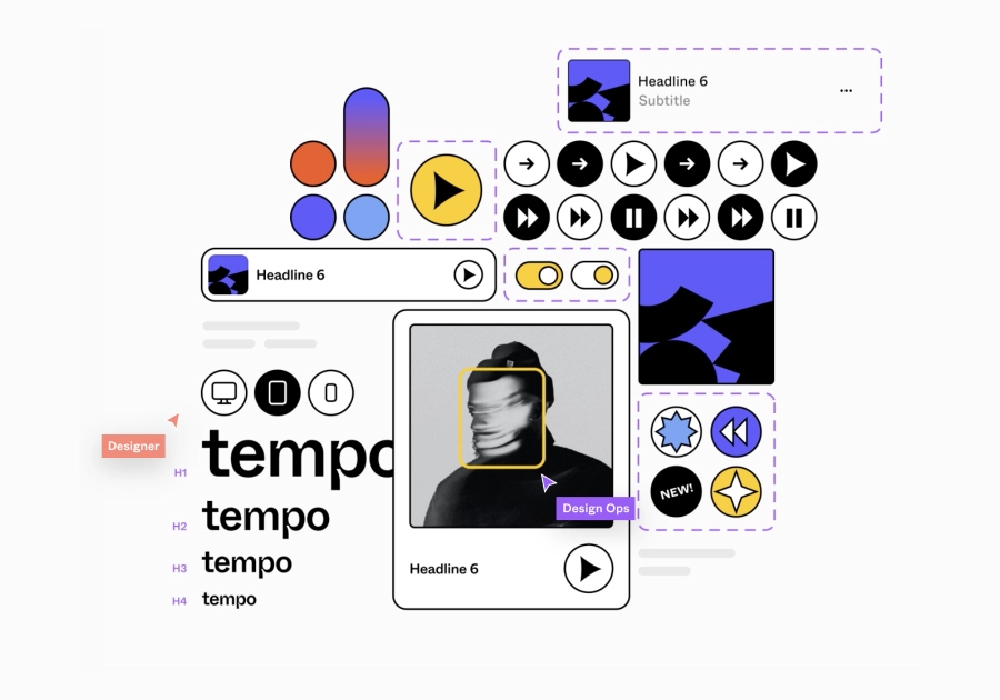
Designing in Figma starts with a blank canvas. You add shapes, text, and images to build layouts just like you would on paper-only smarter.
Screens can be linked together to show how users move through a product. This allows teams to test ideas before development begins. Everything updates automatically, so there is no risk of losing progress.
The experience feels fluid, making creativity continuous rather than interrupted.
Who Finds Their Flow Inside Figma
Figma attracts people from different creative roles. Beginners appreciate its simplicity, while professionals rely on its speed and structure.
Product designers use it to plan user journeys. Marketers create visuals and landing pages. Developers reference designs directly without confusion. Students use it to learn and collaborate.
Figma adapts to the person using it rather than forcing a fixed workflow.
Why Figma Feels Effortless to Use
- No Heavy Setup
Open a browser and start designing. - Instant Sharing
Share a link instead of exporting files. - Designed for Teams
Comments and feedback live inside the design. - Scales With Skill Level
Easy for beginners, powerful for experts. - Speeds Up Creative Cycles
Fewer delays, faster decisions.
Designing Together, Even Miles Apart
One of Figma’s biggest strengths is how it brings people together. Designers, developers, and stakeholders can all work on the same file at once.
This shared visibility reduces miscommunication and helps teams move faster. Instead of explaining designs through messages or calls, everyone can simply see and interact with them.
In a world of remote work, Figma feels made for collaboration.
Gentle Learning Curve, Serious Power
Figma does not overwhelm new users. Its interface is clean and logical, helping first-timers feel confident quickly.
At the same time, it offers deep functionality for experienced designers who need precision and scalability. This balance is what keeps people using Figma long-term.
It grows with you as your skills grow.
Where Digital Design Is Headed Next
Design is becoming more collaborative, faster, and more human-centered. Figma reflects this change by prioritizing communication and shared creativity.
Instead of working in isolation, teams now build together. Figma is not just keeping up with this future-it’s shaping it.
Final Thoughts
Figma is not just a design tool. It is a place where ideas take form, conversations become visuals, and products begin their journey.
Whether you are sketching your first screen or refining a complex system, Figma makes the process smoother, faster, and more connected. It allows creativity to move at the speed of thought-and that’s what makes it powerful.
Visit Site