



Artificial intelligence is increasingly reshaping the way digital art and visual content are created. Processes that once depended on advanced artistic skills, professional software, and long production timelines can now be simplified through AI-powered creative platforms. These tools enable individuals and organizations to translate ideas into compelling visuals using natural language prompts and minimal technical knowledge.
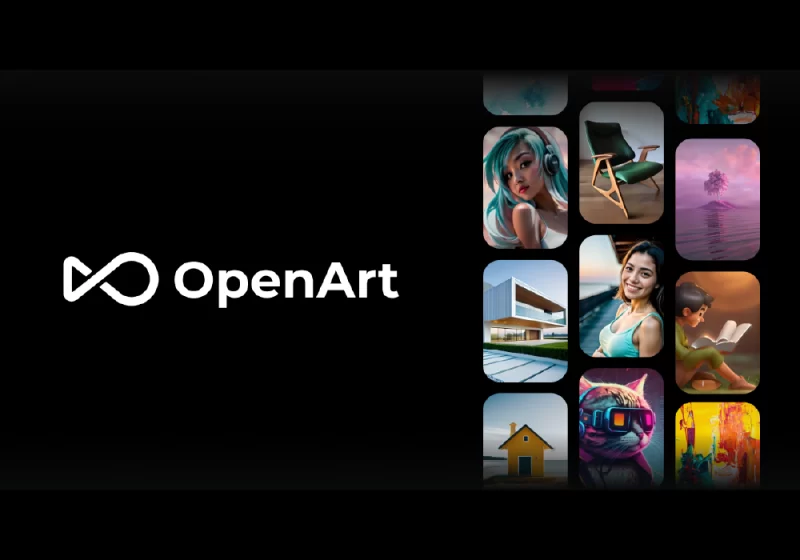
AI creative platforms sit at the core of this transformation, empowering artists, designers, marketers, and storytellers to produce images, videos, and visual narratives efficiently. Among these platforms, OpenArt.ai has positioned itself as a flexible AI creative environment focused on image generation, artistic exploration, and visual storytelling. By combining multiple generative models with editing and enhancement tools, OpenArt.ai aims to support both experimentation and professional content creation.
This article examines the concept of AI creative platforms, explores OpenArt.ai’s core features, and explains how its pricing and capabilities align with modern digital content workflows.
Understanding AI Creative Platforms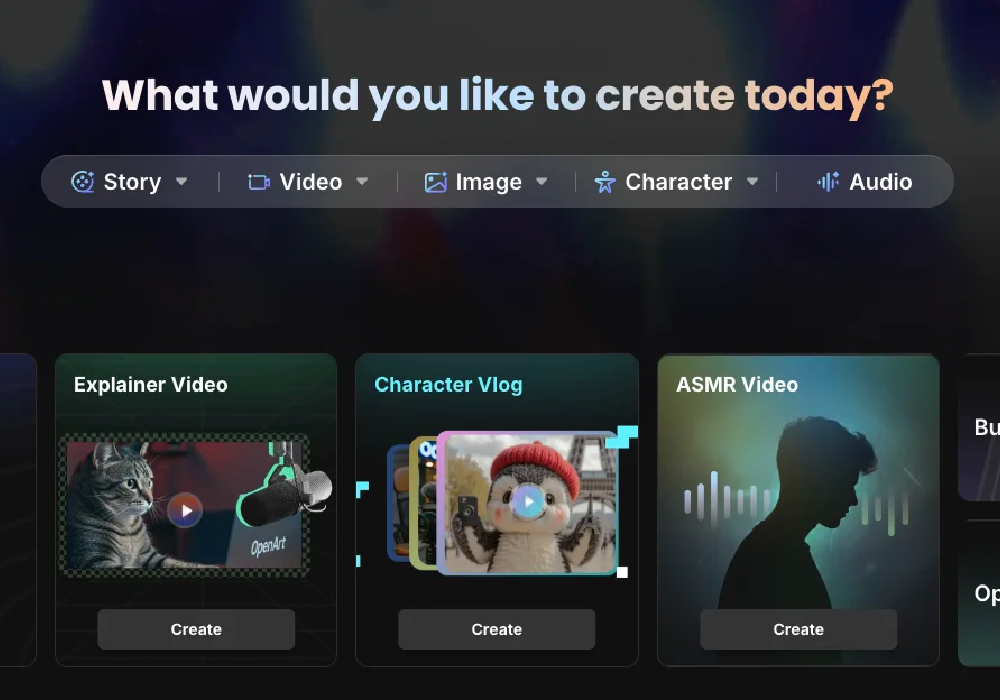
AI creative platforms are cloud-based systems that use generative artificial intelligence to create visual assets such as images, illustrations, and short videos. Users interact with these platforms primarily through text prompts, style references, or uploaded images. The AI interprets these inputs and produces visuals that reflect the user’s intent.
Most AI creative platforms also provide tools for refining outputs, including variations, editing, resolution enhancement, and style control. These capabilities make such platforms increasingly popular in fields like digital marketing, social media, game development, publishing, education, and e-commerce, where visually engaging content plays a critical role.
OpenArt.ai as an AI Creative Platform
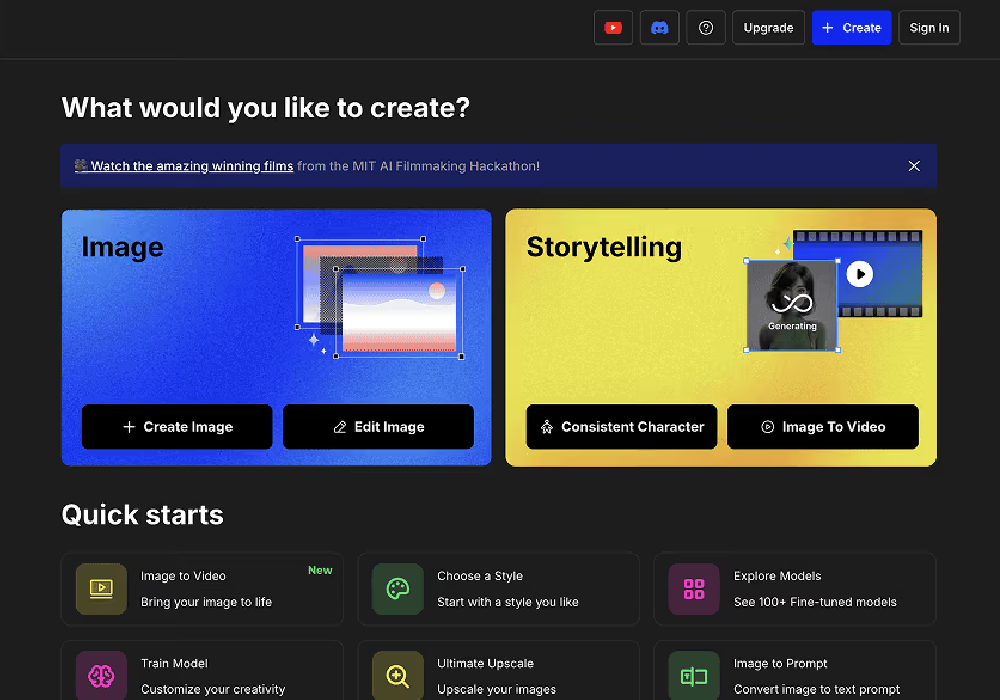
OpenArt.ai functions as a browser-based AI creative studio designed to make visual creation accessible and adaptable. It allows users to generate images and visual sequences from text prompts while offering access to a wide selection of AI models, each optimized for different artistic styles and use cases.
Rather than focusing on a single visual output type, OpenArt.ai emphasizes creative flexibility. Users can experiment with different aesthetics, refine generated content, and maintain visual consistency across multiple images. This approach makes the platform suitable for individual creators as well as professionals working on branding, storytelling, or concept development.
Because OpenArt.ai operates entirely in the cloud, it eliminates the need for high-performance local hardware or complex installations. This makes it practical for freelancers, content creators, small teams, and anyone seeking scalable creative tools without technical overhead.
Facilities Offered by OpenArt.ai
OpenArt.ai provides a range of facilities designed to support the creative process from ideation to polished output:
Text-to-Image Generation
Users can generate detailed images from text descriptions across numerous styles, including photorealistic art, anime, fantasy, digital illustration, and conceptual design.
Extensive Model Library
The platform offers access to many AI models, allowing creators to choose models that best suit their artistic goals or stylistic preferences.
Consistency Tools
OpenArt.ai includes features that help maintain consistent characters, faces, and visual styles across multiple generations, which is particularly valuable for storytelling, comics, and branded content.
Image Editing and Inpainting
Users can selectively edit parts of an image, correct details, or replace elements without regenerating the entire artwork.
Upscaling and Quality Enhancement
Generated images can be enhanced to higher resolutions, making them suitable for professional use, presentations, or commercial distribution.
AI Video and Story Features
OpenArt.ai supports short video creation and illustrated storytelling, enabling users to build simple visual narratives from prompts.
Community and Prompt Exploration
The platform includes a community-driven environment where users can explore shared prompts, remix creations, and learn from other artists’ workflows.
Together, these facilities make OpenArt.ai a versatile tool for both creative exploration and structured visual production.
OpenArt.ai Pricing Model Explained
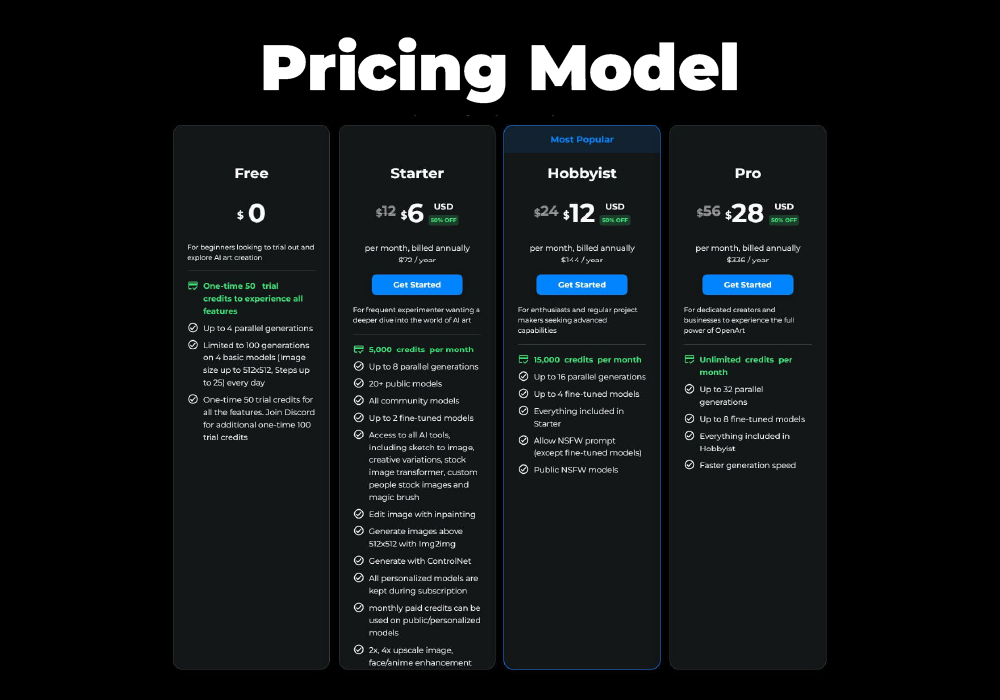
OpenArt.ai operates on a credit-based subscription system. Credits are consumed when users generate images, videos, or apply enhancements such as upscaling. The number of credits required depends on factors such as resolution, model selection, and output type.
Free Plan
The free plan provides new users with a limited number of trial credits to explore the platform. It allows access to basic image generation features and selected models, making it suitable for experimentation and learning. However, feature access and usage rights are limited.
Entry-Level Paid Plans
Lower-tier subscription plans are intended for hobbyists and casual creators. These plans include a monthly credit allocation, faster generation speeds, and access to more models and tools. They are generally suited for personal or non-intensive creative use.
Advanced and Professional Plans
Higher-tier plans offer substantially larger credit pools, access to advanced models, higher-resolution outputs, and expanded editing and storytelling tools. These plans typically include commercial usage rights, making them appropriate for freelancers, marketers, and content creators producing client-facing work.
High-Volume and Custom Plans
For users with large-scale production needs, OpenArt.ai offers higher-capacity plans with increased credits and performance priority. These plans are designed for creators and teams generating content at volume.
Benefits of Using AI Creative Platforms
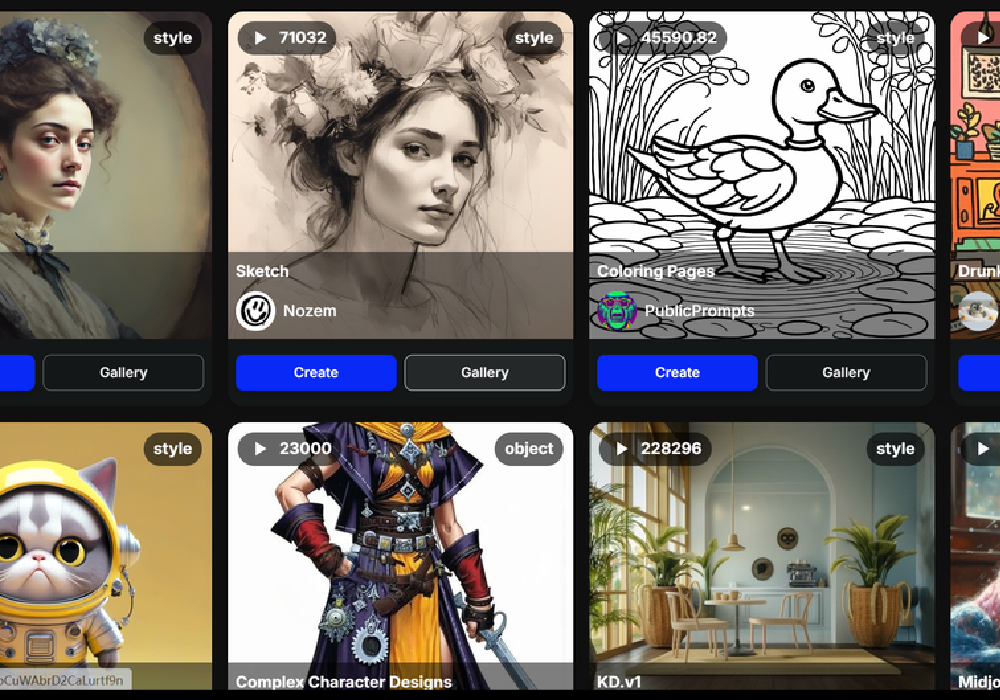
AI creative platforms such as OpenArt.ai offer several advantages over traditional content creation methods:
Efficiency: Visual content can be generated and refined in minutes rather than days.
Lower Costs: There is reduced reliance on professional software, design teams, or production resources.
Accessibility: Users without formal design training can still produce visually compelling outputs.
Scalability: The platform can support both small creative projects and high-volume content generation.
Creative Exploration: Access to multiple styles and models encourages experimentation and innovation.
OpenArt.ai within the AI Creative Ecosystem
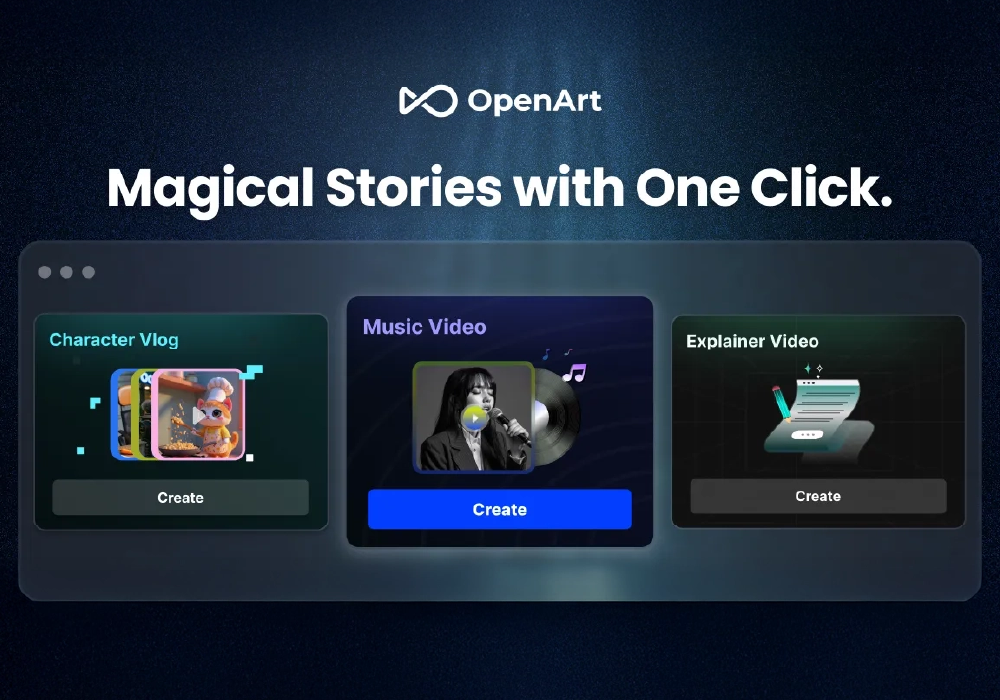
Within the broader AI creative ecosystem, OpenArt.ai positions itself as a visually focused and community-oriented platform. While some AI tools specialize in cinematic video generation or enterprise workflows, OpenArt.ai emphasizes flexibility, artistic diversity, and ease of use.
At the same time, user feedback across online platforms has been mixed. Some users have reported concerns related to credit consumption, subscription management, and the clarity of refund policies. Others note that output quality can vary depending on model choice and prompt design. These observations suggest that users should evaluate their usage patterns and subscription options carefully before committing to long-term plans.
Conclusion
AI creative platforms are transforming how visual content is produced, and OpenArt.ai represents a significant example of this evolution. By combining text-driven generation, a diverse model ecosystem, and practical editing tools, the platform enables creators to convert ideas into visuals efficiently.
As demand for digital imagery and visual storytelling continues to grow, OpenArt.ai provides creators with accessible tools to experiment, iterate, and produce content at scale. However, understanding the platform’s pricing structure, credit system, and limitations remains essential for users seeking to integrate it into their long-term creative workflows.
Visit Site