



In a digital-first world, customer support is no longer just about solving problems, it is about building trust, loyalty, and long-term relationships. Customers today expect fast responses, personalized interactions, and seamless communication across channels. Traditional support systems, built around emails and phone calls alone, often fail to meet these rising expectations.
Zendesk addresses this challenge with a comprehensive customer service platform designed to help businesses manage conversations, resolve issues efficiently, and deliver consistent support experiences. This blog explores the evolving role of customer service, how Zendesk supports modern support teams, and how its subscription model enables businesses of all sizes to scale their support operations with confidence.
The New Age of Customer Support
Customer expectations have changed dramatically over the past decade. Users no longer tolerate long wait times, repeated explanations, or fragmented communication. They expect businesses to recognize them instantly, understand their history, and respond across multiple channels without friction.
Support teams, on the other hand, face increasing volumes of queries coming from email, live chat, social media, and messaging apps. Managing these interactions without a unified system often leads to delays, confusion, and inconsistent responses.
Zendesk was built to solve this exact problem, creating a single, intelligent environment where customer conversations are organized, visible, and actionable.
Zendesk: A Central Command for Customer Conversations
Zendesk functions as a centralized support hub that brings together customer inquiries from multiple channels into one unified workspace. Each customer interaction is converted into a ticket, allowing support agents to track progress, collaborate internally, and resolve issues with full context.
By centralizing conversations, Zendesk helps teams eliminate silos and maintain continuity, even when customers switch channels. Whether a request starts in live chat and continues via email, the entire conversation history remains accessible in one place.
This unified approach not only improves response quality but also enhances the overall customer experience.
Human-Centered Support at Scale
At its core, Zendesk is designed to help support teams deliver empathetic, human-centered service, even at scale. The platform provides agents with customer profiles, previous interactions, and relevant data so they can respond with understanding rather than generic replies.
Support teams can prioritize tickets based on urgency, customer type, or service-level agreements. This ensures that critical issues are handled promptly while maintaining consistent service quality across all interactions.
By reducing guesswork and manual sorting, Zendesk enables agents to focus on what truly matters: helping customers effectively.
Automation That Works Behind the Scenes
One of Zendesk’s strongest advantages is its automation capability. Support teams often spend valuable time on repetitive tasks such as ticket assignment, follow-up emails, and status updates. Automation removes these bottlenecks.
Zendesk allows businesses to set up rules and triggers that automatically route tickets, send notifications, and escalate issues when needed. This reduces response times and ensures no customer request goes unnoticed.
Automation not only improves efficiency but also helps support teams manage higher volumes without compromising service quality.
One Inbox, Many Channels
Modern customer support is inherently omnichannel. Customers may reach out through email, website chat, social platforms, or messaging apps, often expecting the same level of service everywhere.
Zendesk consolidates all these conversations into a single interface, giving agents a complete view of the customer journey. This eliminates duplicate responses, prevents missed messages, and ensures consistent communication regardless of the channel used.
For customers, this feels seamless. For support teams, it means clarity and control.
Insights That Drive Smarter Decisions
Zendesk provides built-in analytics and reporting tools that help businesses understand how their support operations are performing. Metrics such as response time, resolution time, ticket volume, and customer satisfaction scores offer valuable insights into team efficiency and customer sentiment.
These insights allow managers to identify trends, optimize workflows, and improve training strategies. Over time, data-driven decisions lead to better support outcomes and stronger customer relationships.
Zendesk transforms support from a reactive function into a strategic advantage.
Subscription Options for Growing Support Needs
Zendesk follows a tiered subscription model, allowing businesses to choose plans based on their support complexity and team size.
- Entry-Level Plans
These plans are ideal for small teams starting with structured support. They include core ticketing, basic automation, and essential communication tools. - Professional Plans
Designed for growing teams, these plans offer advanced automation, deeper analytics, and omnichannel support capabilities. - Enterprise Plans
Built for large organizations, enterprise plans provide advanced customization, scalability, enhanced security, and priority support.
This flexible approach ensures that businesses can start small and expand their support infrastructure as customer demands increase.
Built to Integrate with Business Ecosystems
Zendesk is designed to work alongside other business tools, including CRM systems, internal collaboration platforms, and knowledge bases. These integrations allow support agents to access customer data, product information, and internal notes without switching platforms.
This connected ecosystem reduces friction, improves accuracy, and helps teams resolve issues faster. For businesses, it means a more cohesive customer experience across departments.
AI-Assisted Support for Faster Resolution
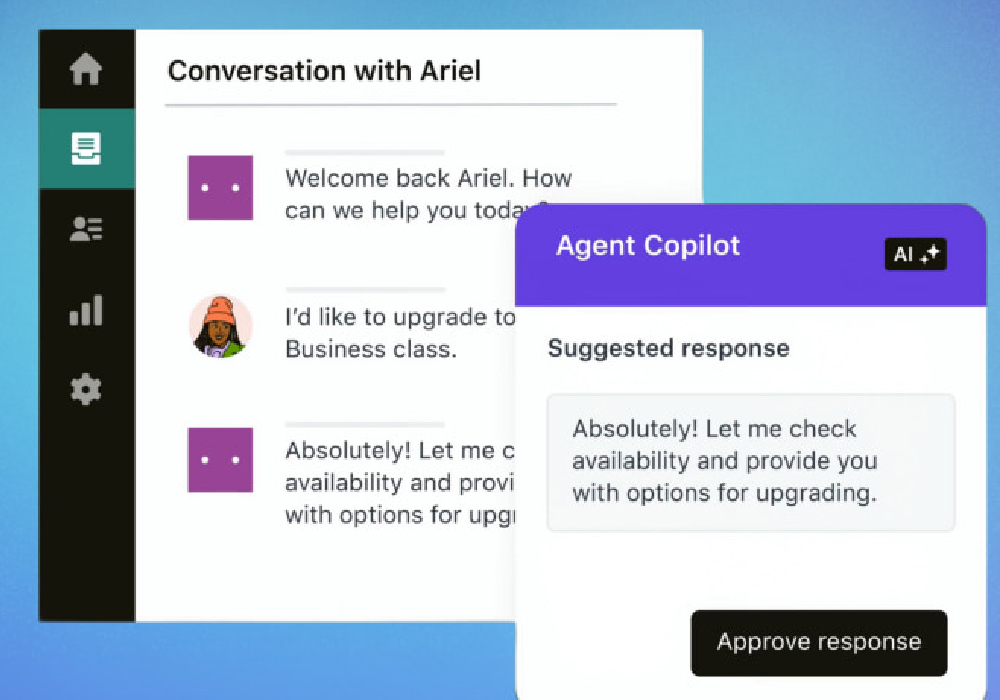
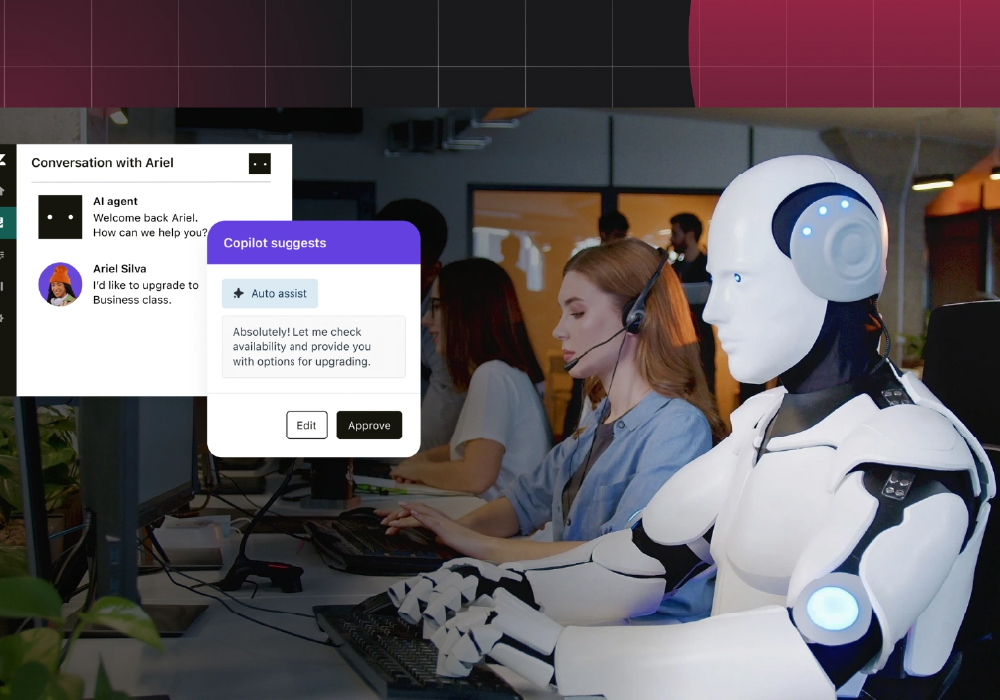
Zendesk incorporates artificial intelligence to assist support teams with smarter workflows. AI-powered features can suggest responses, identify intent, and help route tickets more accurately.
These tools enhance agent productivity while maintaining a human touch. Rather than replacing support agents, AI in Zendesk acts as a support layer, helping teams respond faster and more consistently, even during peak demand.
Conclusion: Support That Builds Long-Term Trust
Customer support plays a critical role in shaping how a brand is perceived. Zendesk empowers businesses to deliver reliable, efficient, and empathetic support by combining automation, data insights, and omnichannel communication in one platform.
By simplifying workflows, improving response quality, and scaling alongside growing teams, Zendesk helps businesses turn customer service into a long-term relationship-building tool. In an era where customer experience defines success, Zendesk stands as a reliable foundation for modern support operations.
Visit Site